Patterns, color and texture in concrete
Stamped Concrete in Columbus, OH
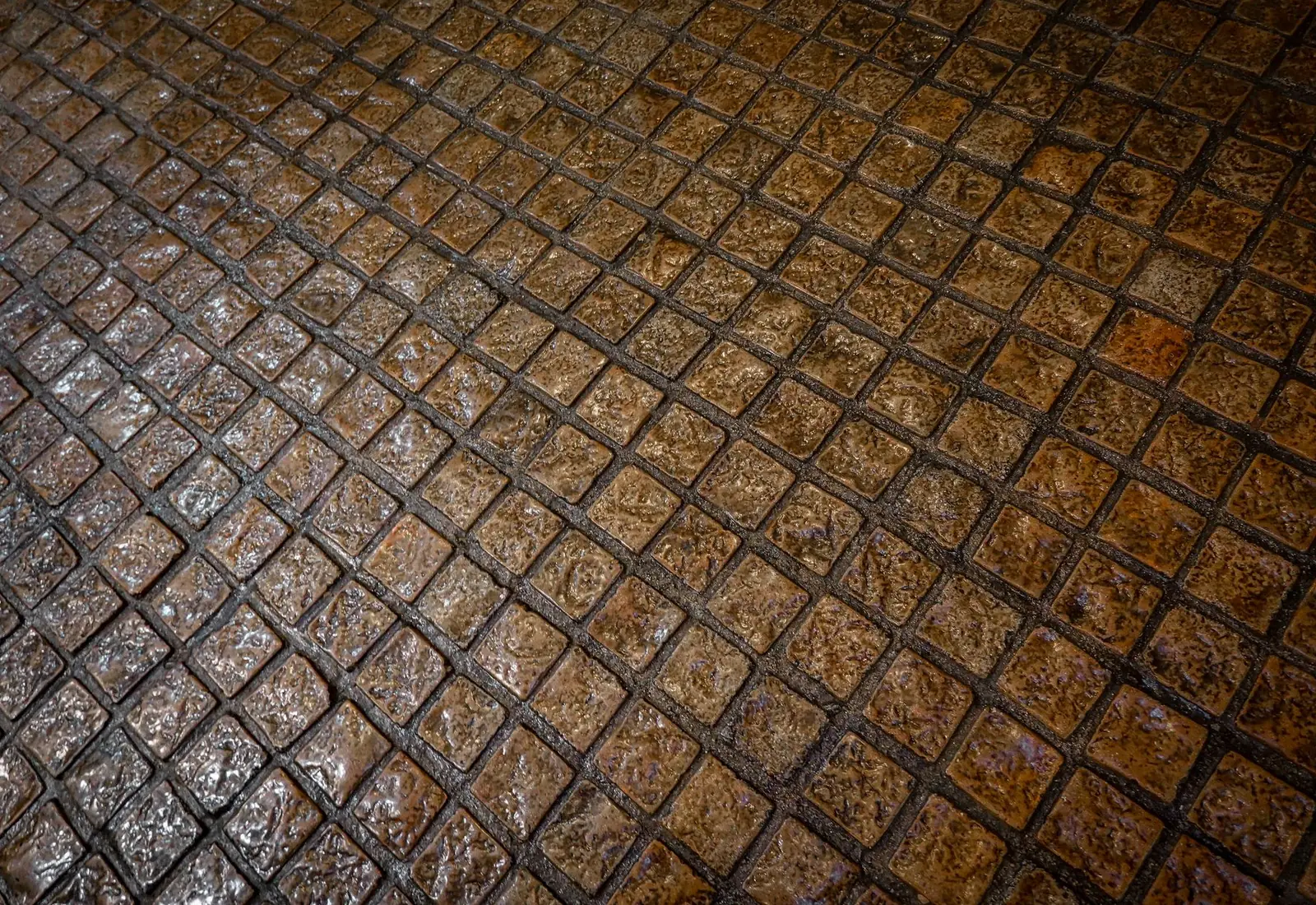
Slate, cobblestone, brick and wood plank looks pressed into solid concrete. Ask for a free estimate.
Stamped concrete for Columbus, Dublin, Worthington, New Albany, Bexley and nearby towns
Describe the look you want
Share the area you want stamped or colored, its rough size and any pattern or colors you like. The contractor will call back to discuss the design and arrange a visit.
- Free estimates
- Pattern and color help
- Sealed for Ohio winters
- Patios to driveways
Free estimates for stamped and decorative concrete. 👇
Stamped and decorative
Six ways to finish concrete
From pressed patterns to washed stone, every surface below sits on a sound slab and gets sealed to last.
Stamped Patios
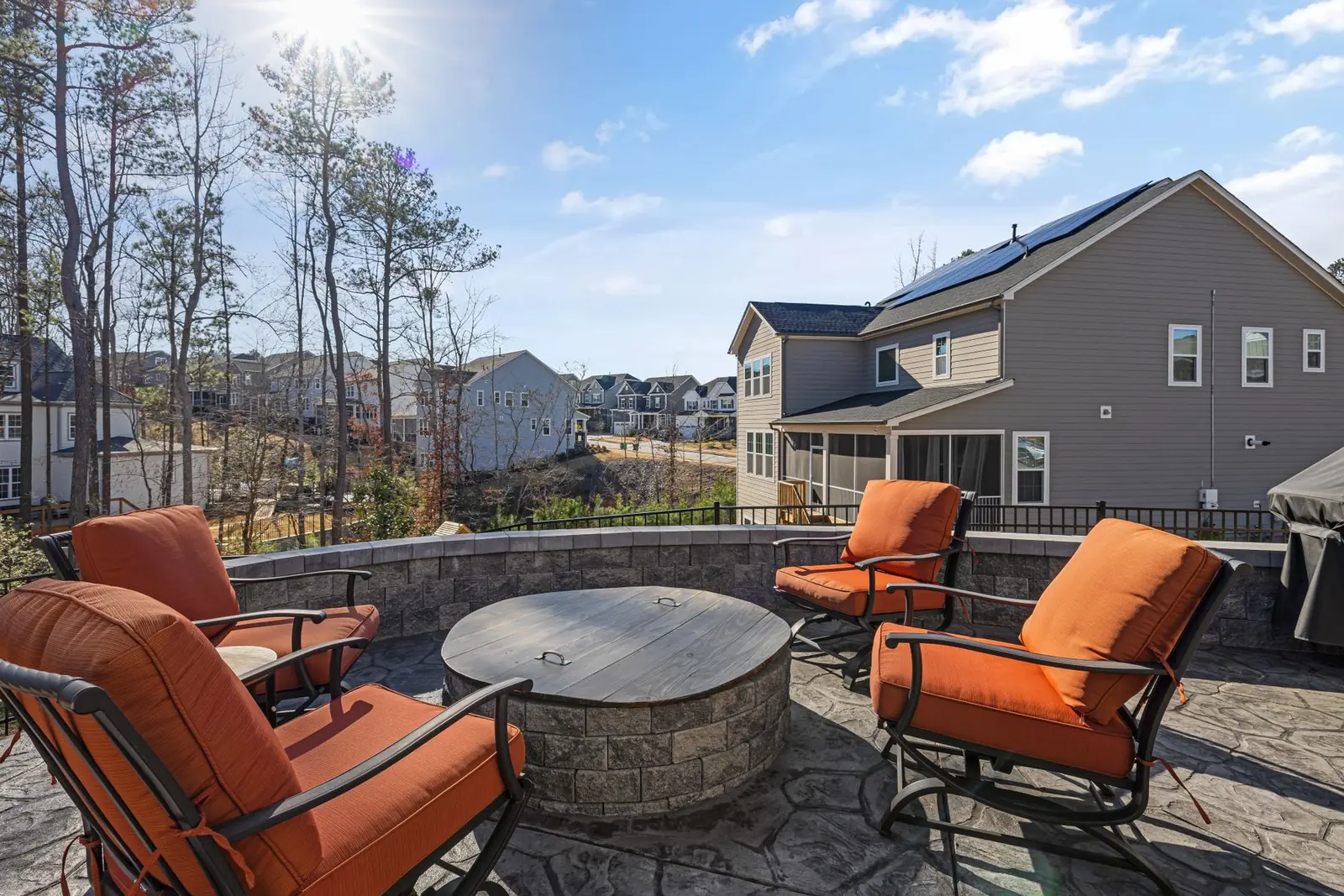
Backyard patios pressed with slate, flagstone, brick or plank textures and finished in two-tone color.
More on stamped patios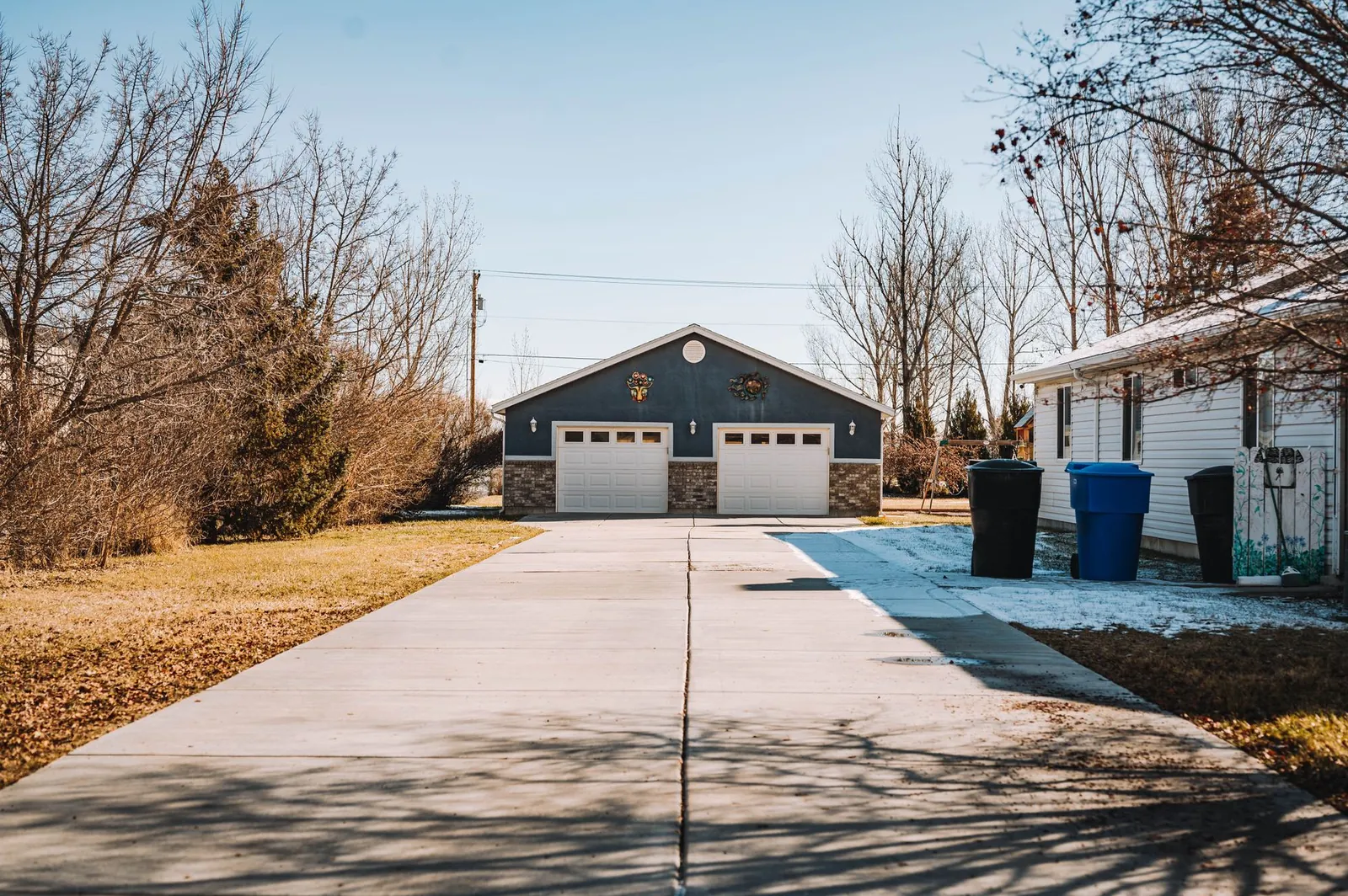
Stamped Driveways
Driveways stamped in cobble, brick or slate with colored borders, sealed with grit for traction.
More on stamped driveways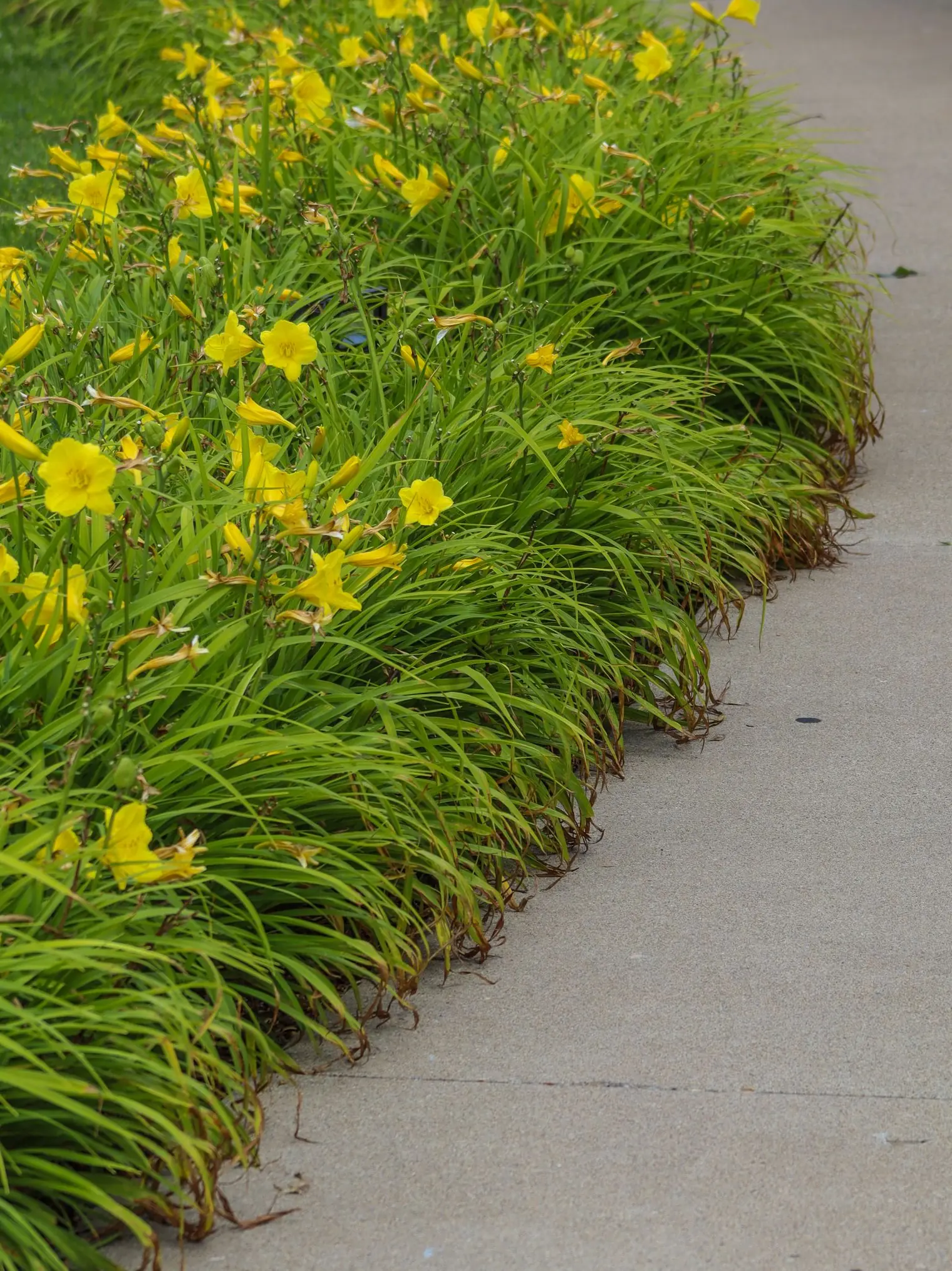
Stamped Walkways
Front walks and side paths stamped in brick, slate or flagstone, with borders and gentle curves.
More on stamped walkways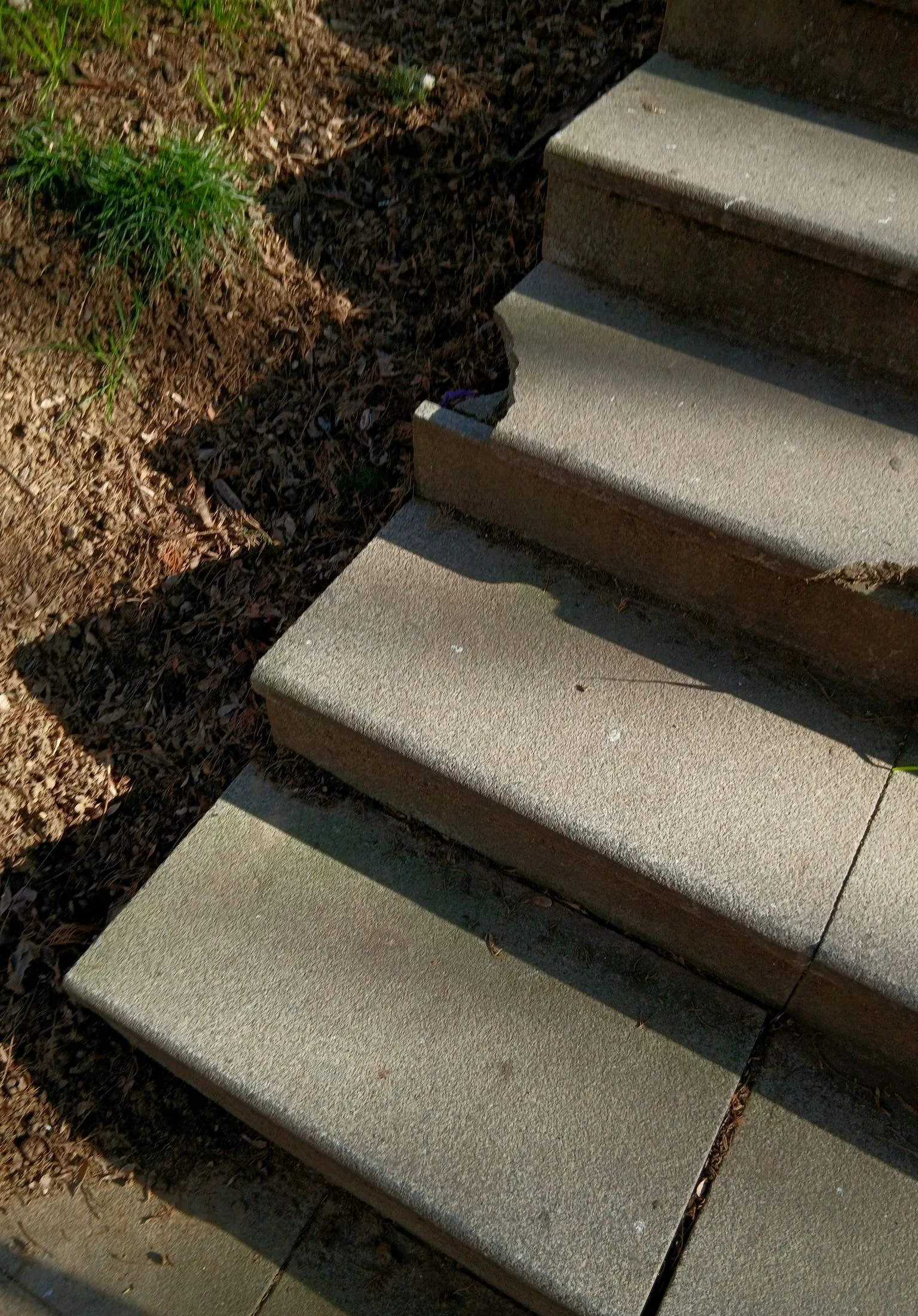
Stamped Steps & Porches
Front steps and porch slabs with stone-textured treads, formed risers and color that matches the walk.
More on stamped steps & porches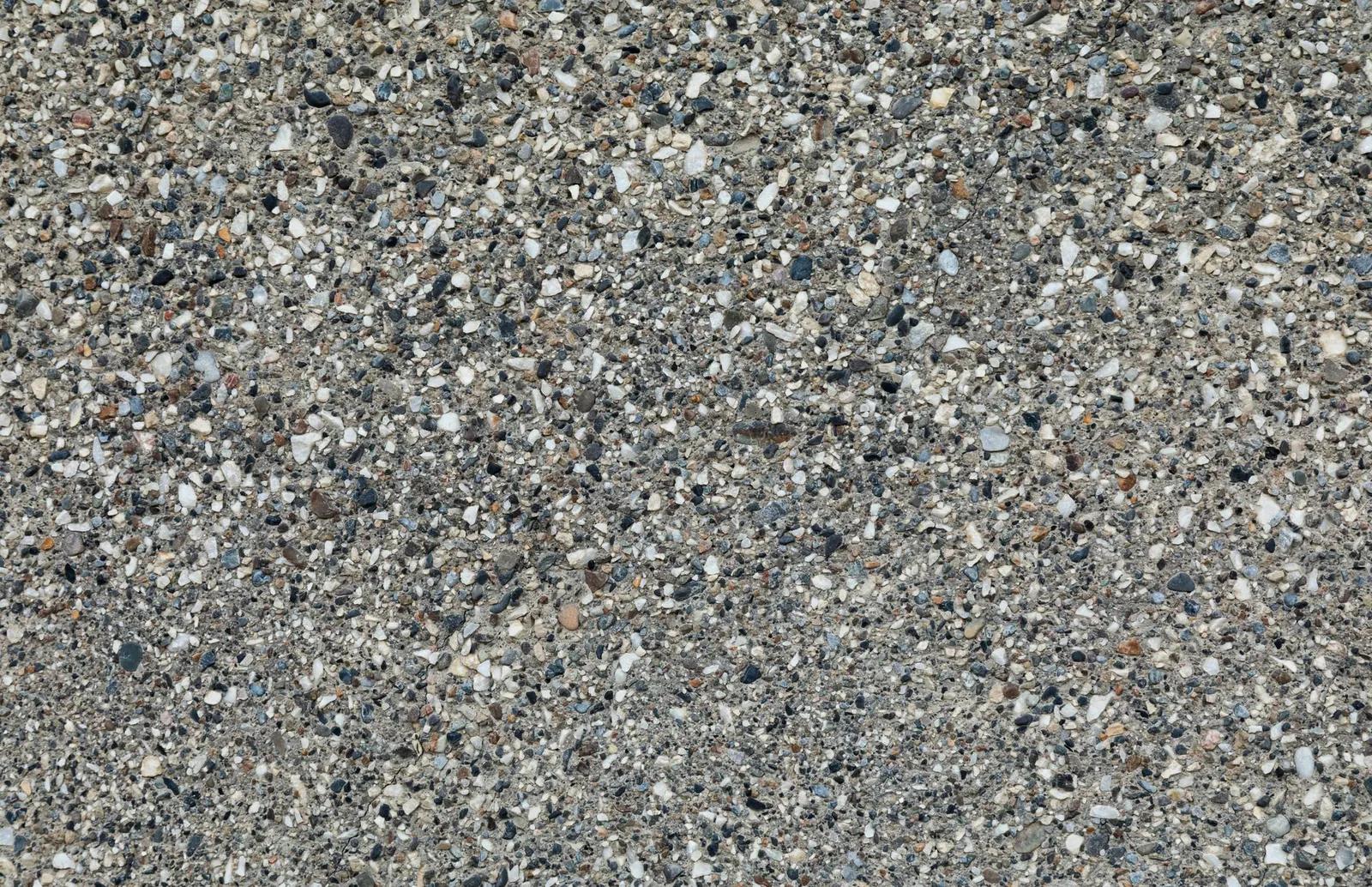
Colored Concrete & Borders
Integral color, color hardener and contrasting borders and bands that frame patios, walks and drives.
More on colored concrete & borders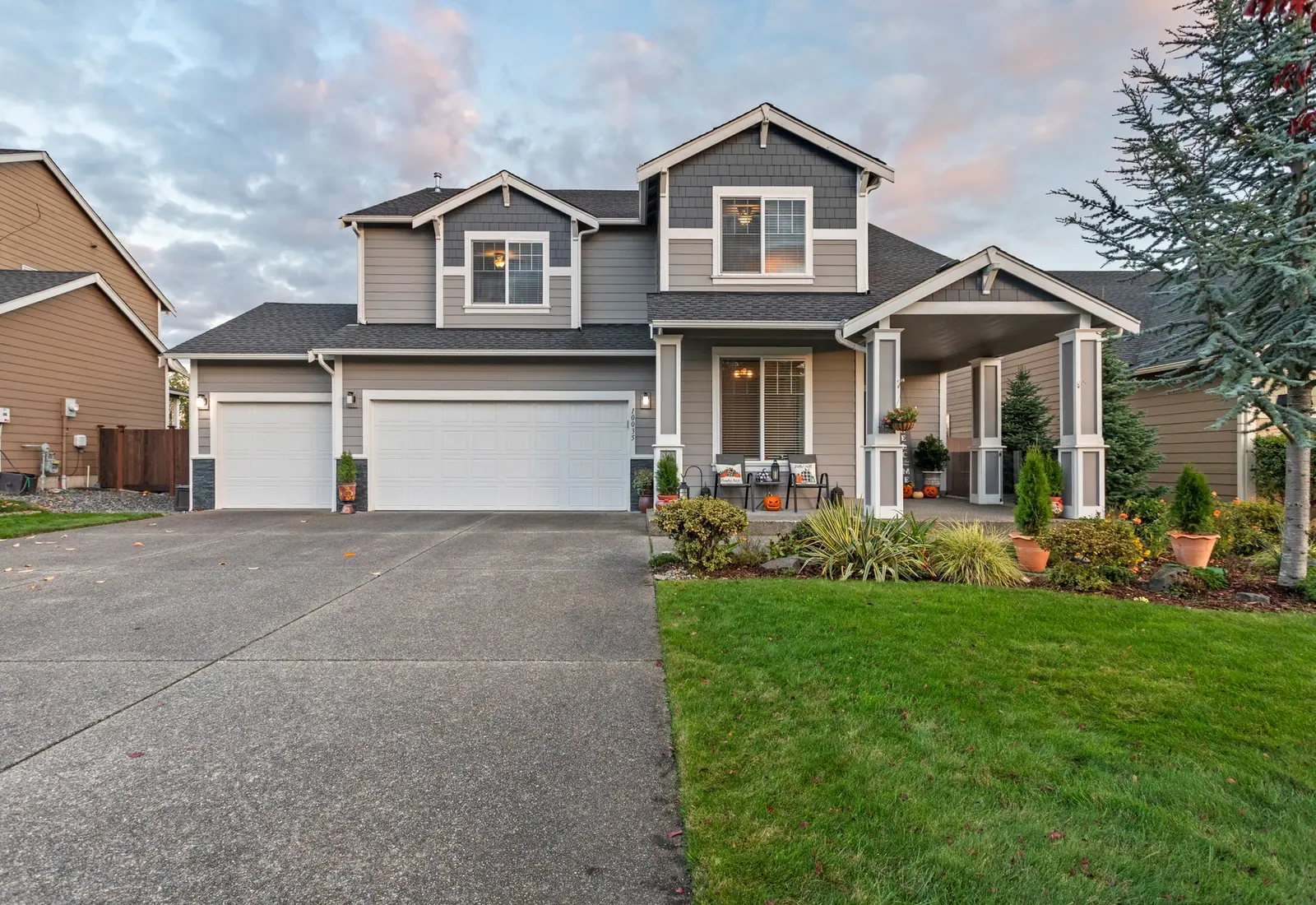
Exposed Aggregate
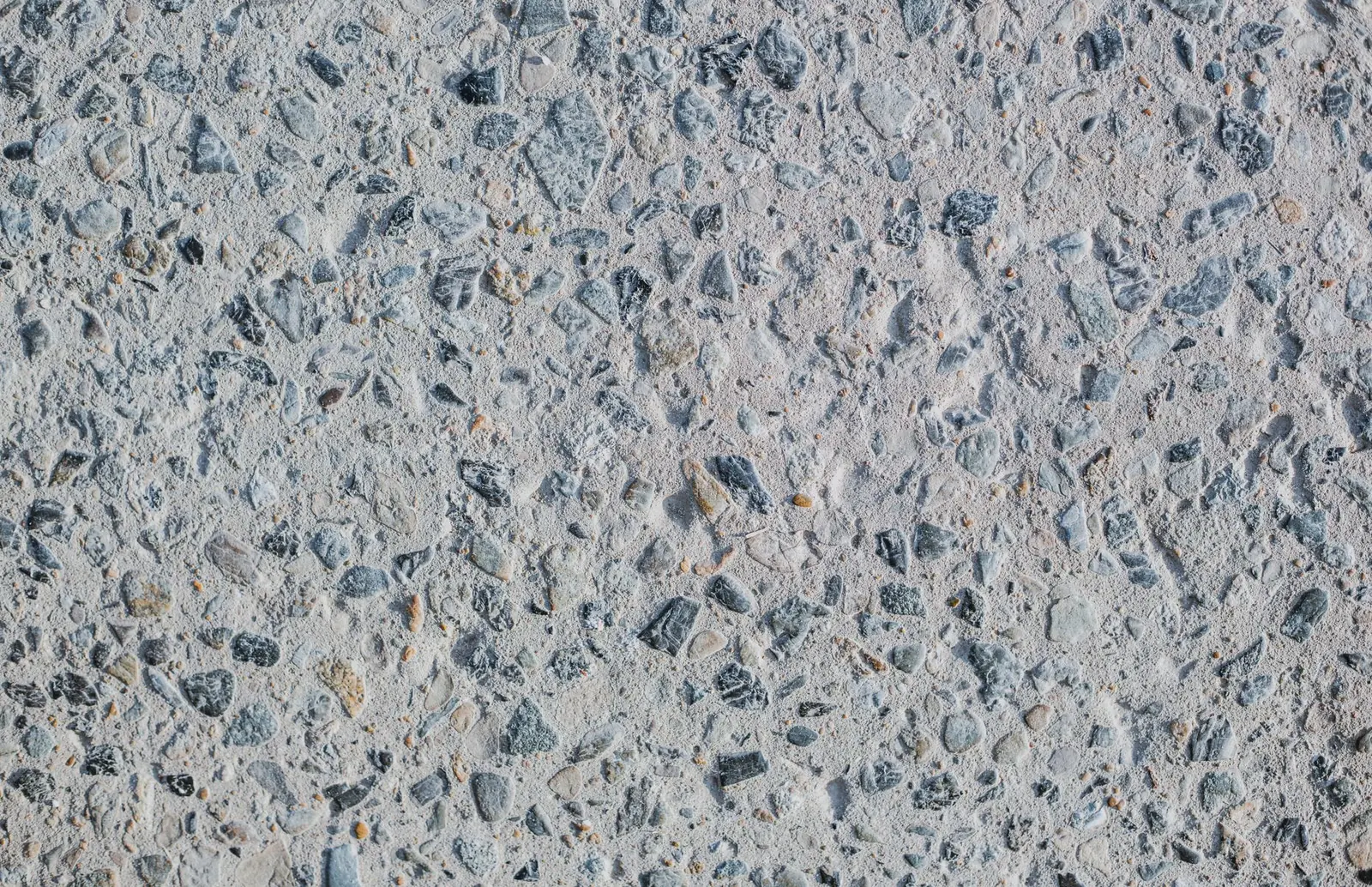
Patios, walks and driveways with the top paste washed away to reveal the stone underneath, for grip and texture.
More on exposed aggregate
The look of stone, the strength of a slab
Picture a patio that reads as gray slate from the kitchen window, with darker charcoal settled into the seams between the stones, or a front walk that looks like weathered brick laid in herringbone. That is stamped concrete: an ordinary reinforced slab whose surface is pressed with textured mats while it is still soft, then colored in two tones so the high points catch the light and the low points look shadowed. Up close it carries the grain, chips and edges of the material it imitates; underneath, it is one continuous piece of concrete.
The appeal in Central Ohio is practical as much as visual. A stamped slab has no individual stones to shift or gaps for weeds to find, and it is built on the same compacted gravel, steel and air-entrained mix as any outdoor concrete meant to survive freeze-thaw. What it asks for in return is care: a sealer that keeps the color rich and the surface tight, renewed every two or three years, and a gentle hand with deicers, especially the first winter, when rock salt should stay off it entirely.
Stamped Concrete Columbus focuses on that kind of work: stamped patios, driveways, walkways, steps and porches, plus integral color, contrasting borders and exposed aggregate finishes. Interest comes from across the city, from Clintonville bungalows to the brick streets of German Village, and from towns like Dublin, Worthington, New Albany, Bexley and Pickerington. Bring a photo of a look you admire, or simply a sense of the colors already on your house, and the estimate visit is where pattern, color and layout get decided.
Know-how
Keeping stamped concrete beautiful in Ohio
- 01
Reseal on a schedule
Sealer is what keeps the colors deep and stops the surface from soaking up water and salt. Plan on a fresh coat every 2 to 3 years, sooner on driveways, and clean the surface well before each one.
- 02
Skip rock salt the first winter
New concrete is still gaining strength and density, and brine driven into it by freezing can flake the stamped texture. Use sand for traction that first season, and afterward go easy on any deicer.
- 03
Ask for grit in the sealer
A clear sealer makes stamped concrete smoother and slicker when wet. An anti-slip additive mixed into the final coat gives shoes grip on rainy mornings, at the steps and on sloped driveways.
- 04
Plastic shovel, not steel
Steel shovel edges and plow blades scrape the sealer and can chip the raised texture. A plastic shovel, or a blade with a rubber edge, keeps the surface intact through the winter.
How it works
How a stamped surface comes together
- 1
Choose pattern and colors
Look at samples and pick a pattern, a base color and a release color that suit the house and the light it gets.
- 2
Build the slab
Excavate, compact a gravel base, set forms and reinforcement, then place air-entrained concrete carrying its base color.
- 3
Stamp while it is soft
Dust on the release, press the texture mats in sequence and detail the edges by hand before the surface stiffens.
- 4
Rinse and seal
Cut joints within a day, wash off the excess release a few days later, and seal once the surface has dried.
Examples
Patterns, colors and finishes
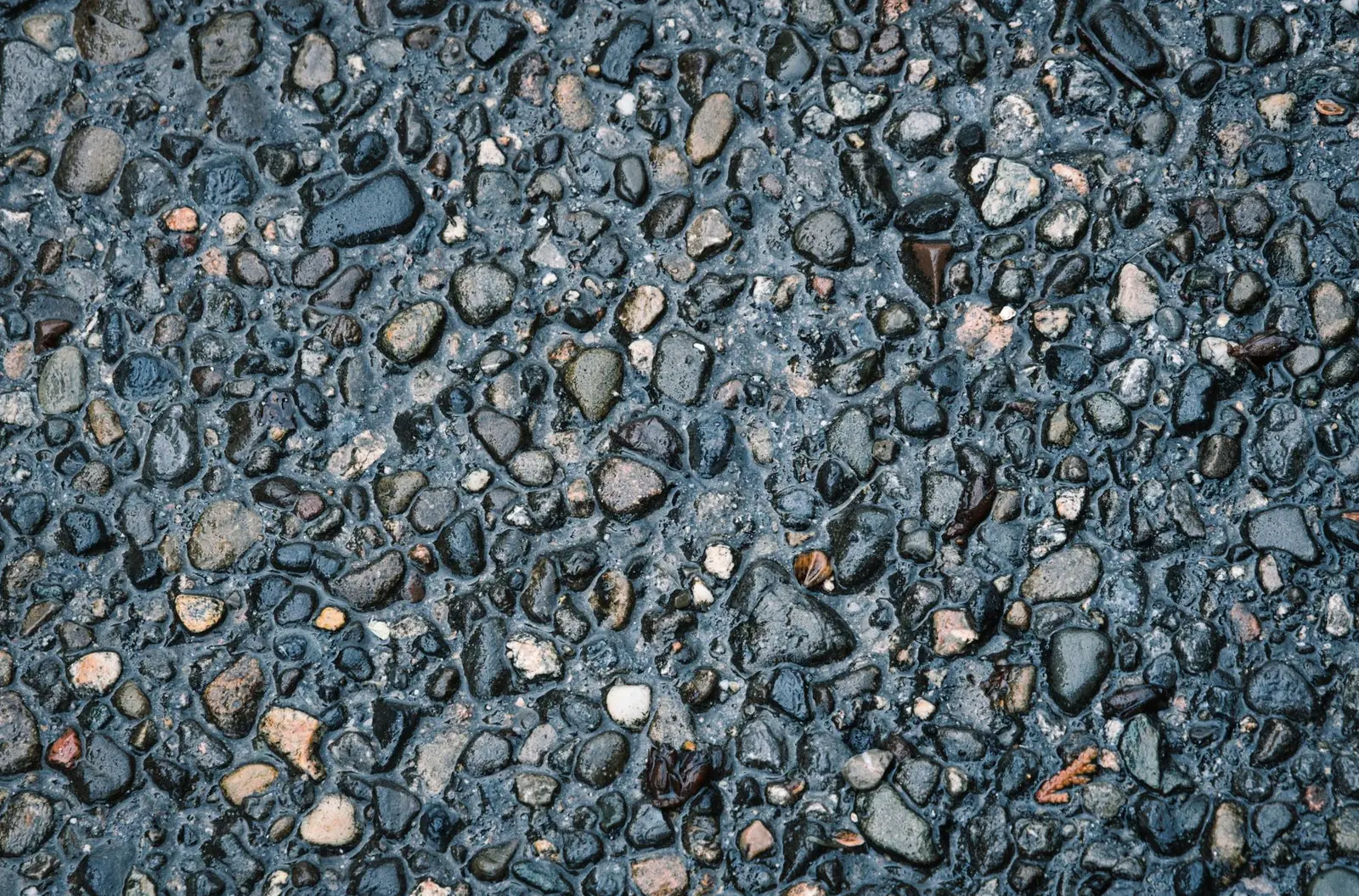
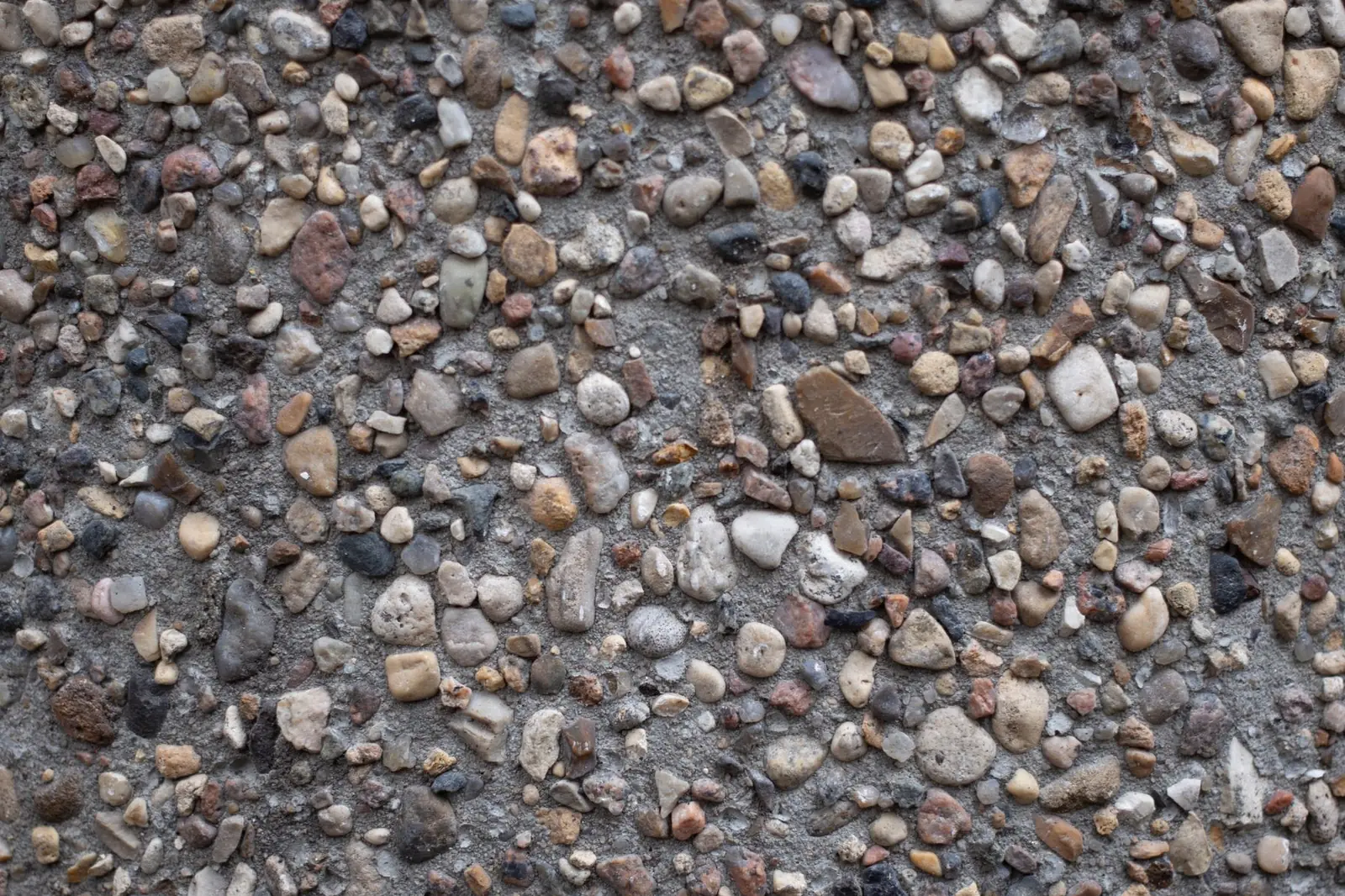
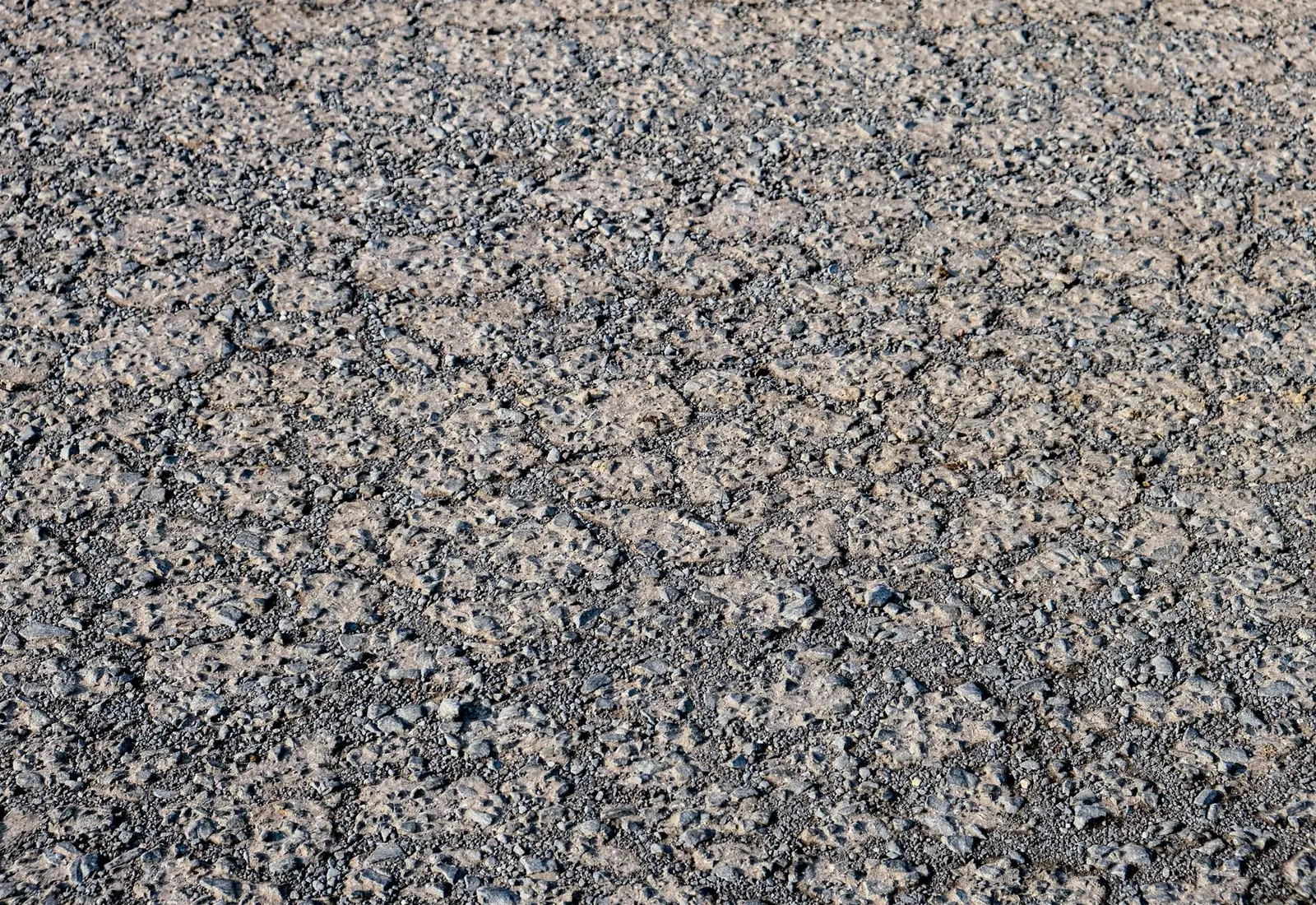
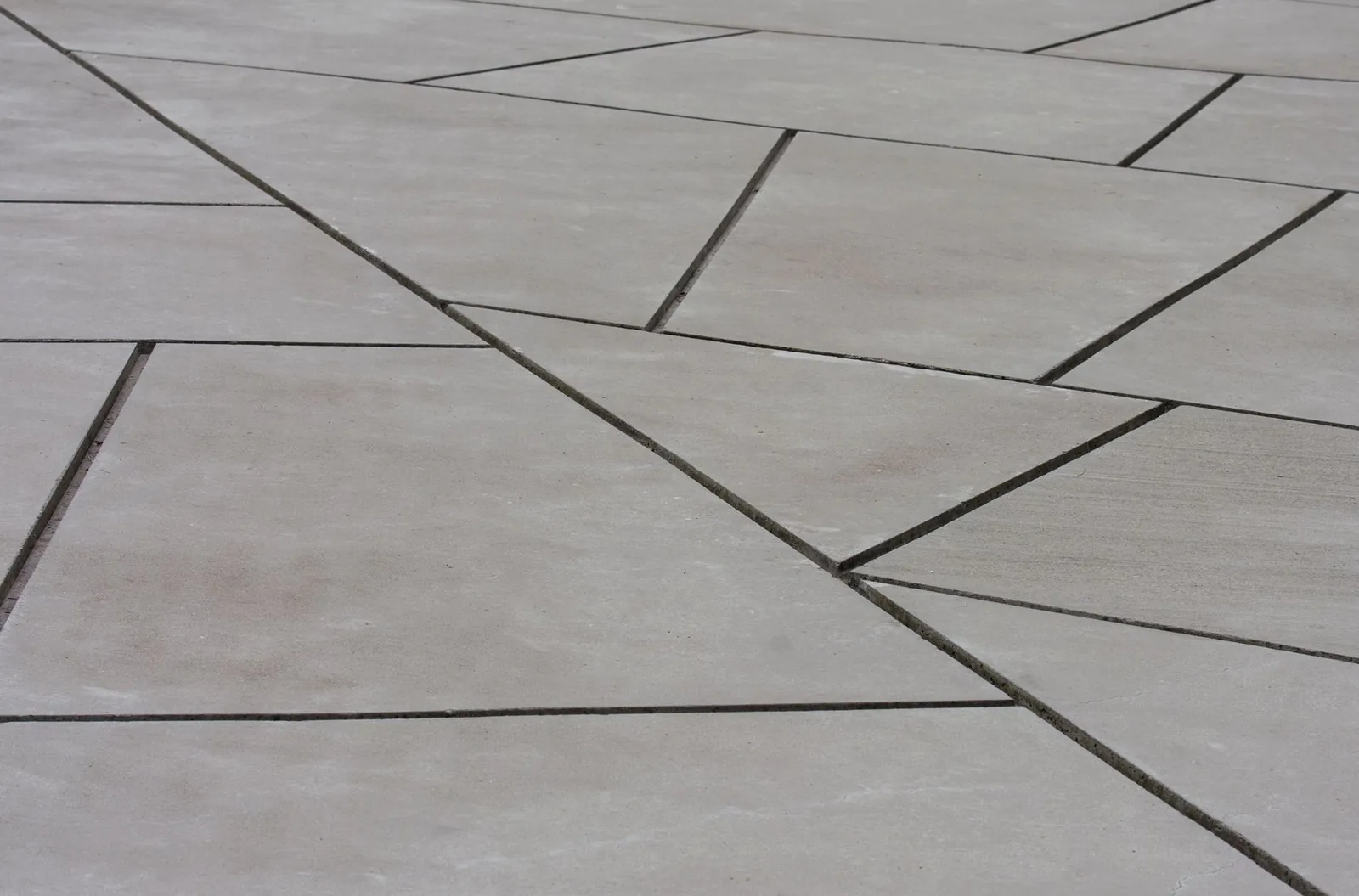
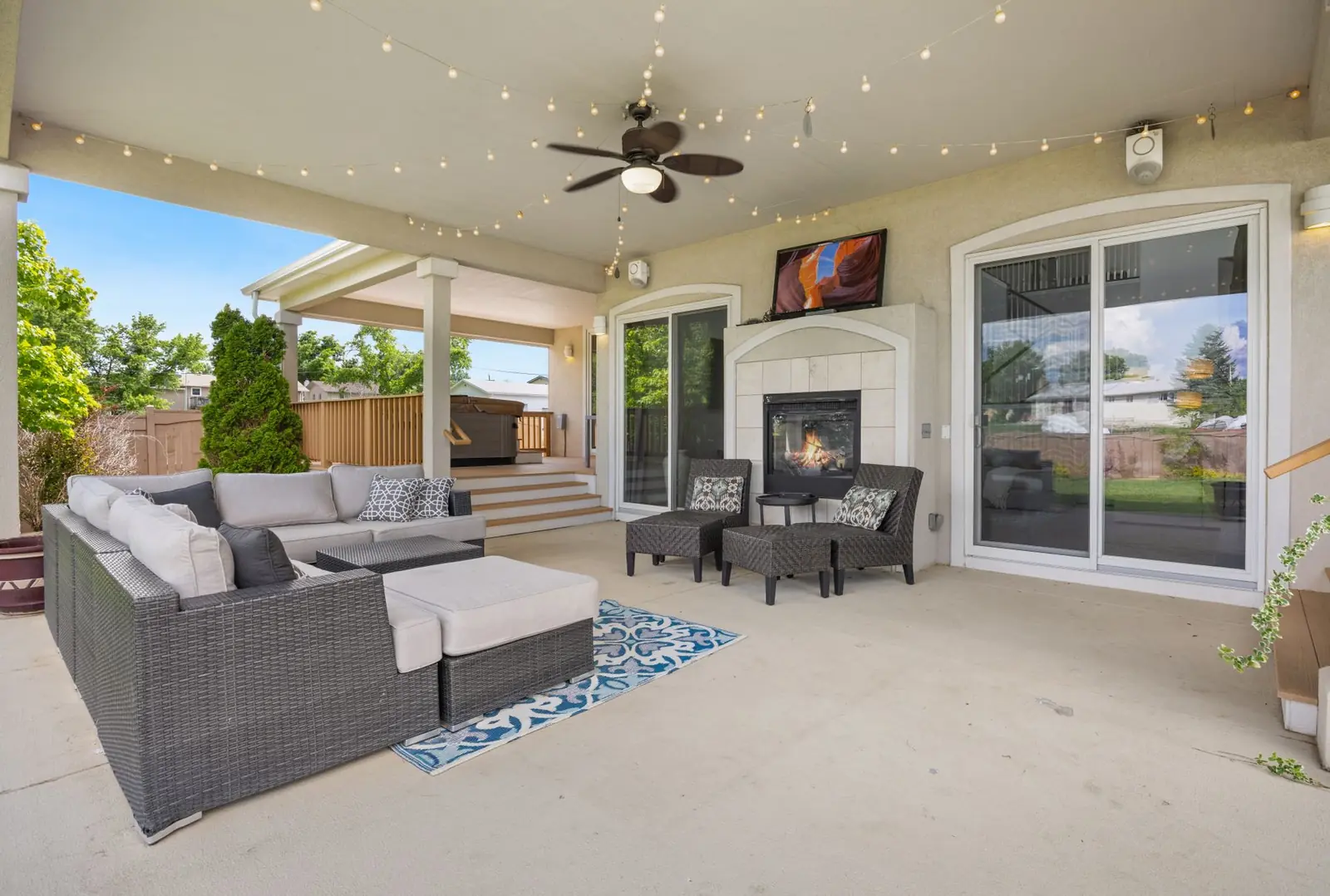
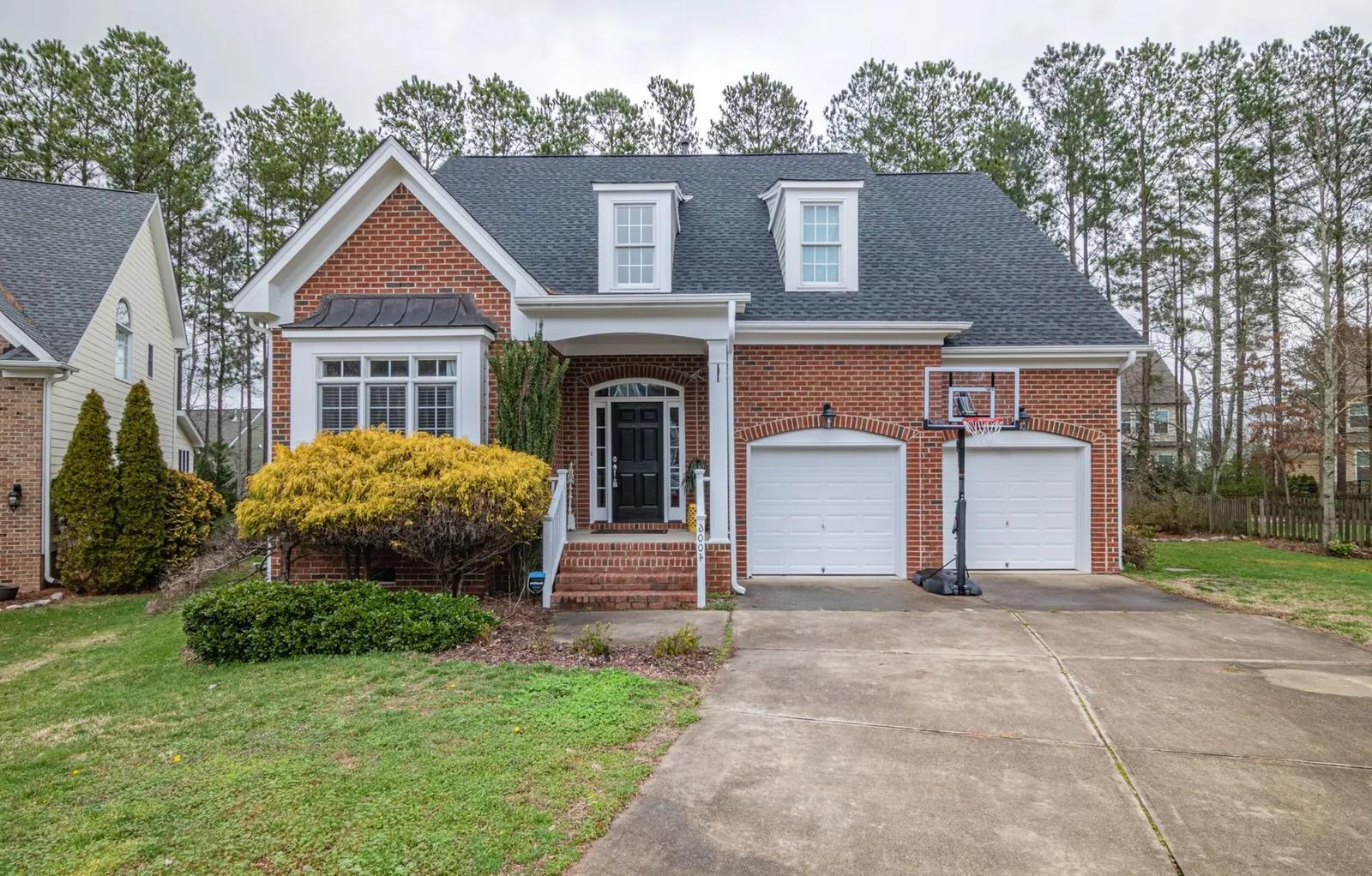
Example photos of the type of work.
Questions
Stamped concrete questions
What do Ohio winters do to stamped concrete?
Very little, if it is built and maintained for them. An air-entrained mix, a drained gravel base and control joints handle the freeze-thaw cycles, while the sealer keeps water and salt brine out of the textured surface. Most winter damage on stamped work traces back to a sealer that wore off or rock salt used too early.
Do I need HOA or city sign-off for stamped concrete?
An HOA, if you have one, will often ask to see your pattern and color choices up front, so keep a sample photo and the color names handy. Stamping a driveway apron at the street brings in the city or village, because that strip is public right-of-way with its own permit. Whatever the project, 811 is called before digging so buried lines get flagged.
What does stamped concrete cost?
It depends on the pattern, the number of colors, any borders, the size and shape of the area, and site prep such as removing an old slab. Stamping takes more labor than a broom finish and adds coloring and sealing steps. The estimate is free and itemized once the area has been seen.
What areas do you serve?
Columbus itself, plus 31 surrounding towns such as Dublin, Powell, Worthington, Westerville, New Albany, Gahanna, Bexley, Whitehall, Reynoldsburg, Pickerington, Canal Winchester, Lithopolis, Grove City and Hilliard. The service areas page lists every one.
How long does a stamped project take, and in what season?
Most stamped patios and walks take a few days of site work: prep and forms, then the pour and stamping in a single day, then joint cutting, washing and sealing. Stamping season runs roughly spring through fall, because the surface needs steady, mild temperatures to be stamped and sealed well.
Will stamped concrete crack?
Like any concrete it can, which is why control joints are cut to decide where. On stamped work the joints are placed in the grout lines of the pattern when possible, so they disappear into the design. A well-built base keeps any cracking to hairlines that stay level.
How do I pick colors that work with my house?
Start with the colors that will not change: roof, brick or siding, and trim. A base color a shade lighter than the trim with a darker release usually looks natural; grays and charcoals suit cool stone or white siding, while tans and browns warm up red brick. Judging samples in your own daylight beats choosing from a screen.
Service area
Stamped concrete across Columbus and nearby towns
Free estimates for stamped and decorative concrete cover Columbus and the 31 communities listed below.
Franklin County
Pickaway County
Fairfield County
Delaware County
Licking County
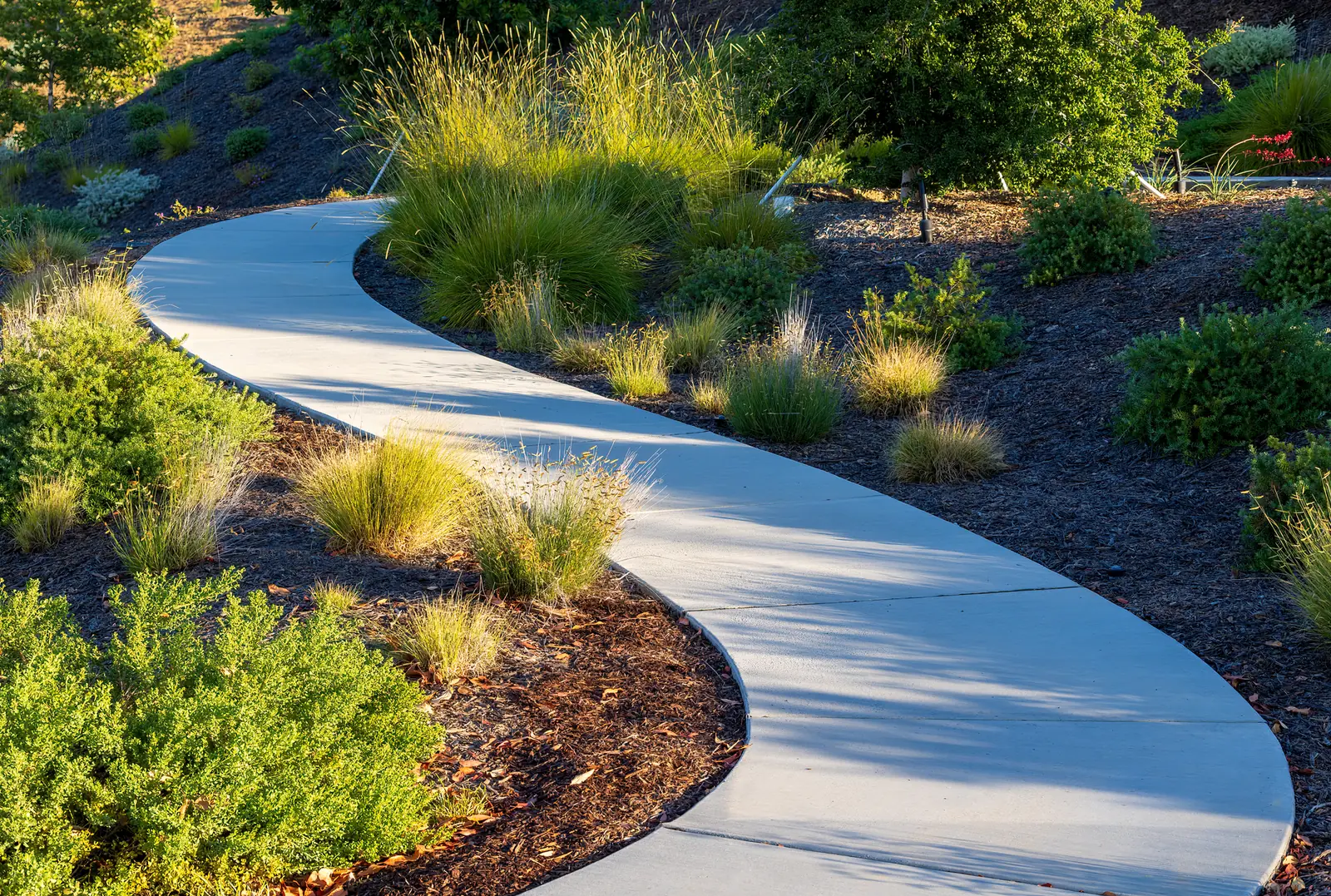
Picture it finished, then get an estimate
Tell us the area, the pattern you are drawn to and the colors around your home, and get a free stamped concrete estimate.